Meet the Meteorologist
What's your favorite weather phenomena?
What got you interested in the weather?
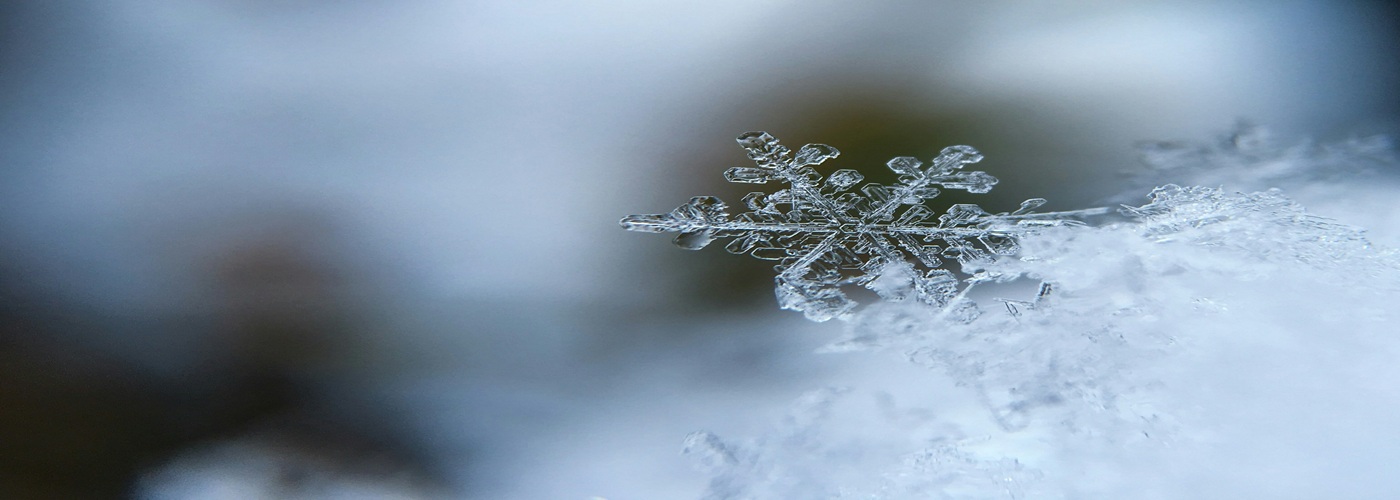

You may know that the Winter Solstice marks the shortest day of the year, but what exactly does that mean?
The seasons for Earth are based on the tilt of our planet.
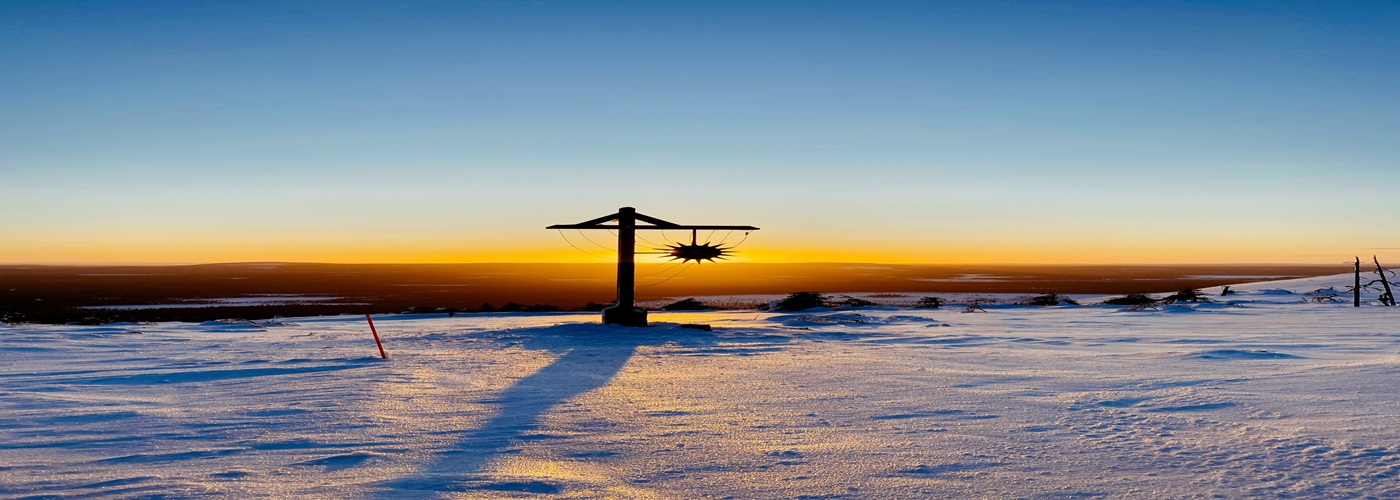
In the Northern Hemisphere, Winter Solstice is more specifically the day where the Earth is the most inclined from the sun. It will fall on December 21 or 22 every year. The Winter Solstice happens when the sun is directly over the Tropic of Capricorn. This is located at 23.5° south of the equator and runs through Australia, Chile, southern Brazil and northern South Africa.
It is noted as the shortest day and longest night of the year. Also, during the Winter Solstice, the noontime sun doesn’t get as high. After the Winter Solstice, the time between when the sun rises and sets starts to get longer.
Changes in solar radiation are also evident during a Winter Solstice. NASA says that polar north receives no solar energy on the Winter Solstice while 30% more solar energy occurs at polar North compared to the Equator on the Summer Solstice.
You may have also heard of meteorological seasons. Meteorological winter begins on December 1 with a difference to help with record keeping and to line up more closely with seasonal weather variability. The Winter Solstice date is based on astronomical seasons.
The Winter Solstice is far from new. For thousands of years, cultures have recognized the Winter Solstice. We continue to recognize it year after year too as we mark the start of the new season.
 Paul Trambley
 Derek Heit
 Jennifer Wojcicki
 Laura Lockwood
 Ray Miller