Meet the Meteorologist
What's your favorite weather phenomena?
What got you interested in the weather?
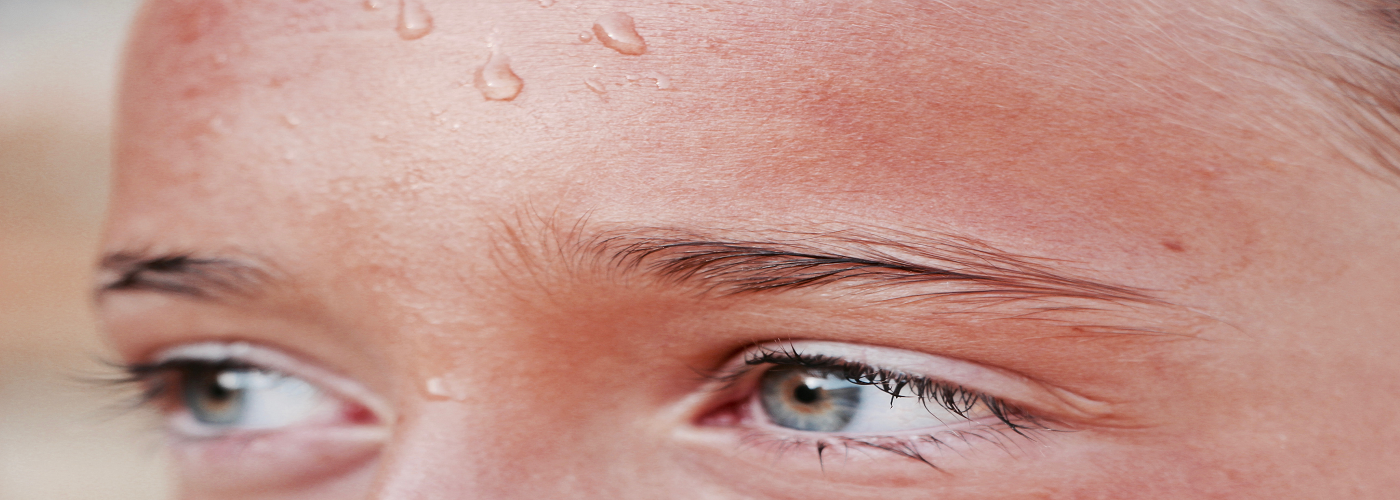

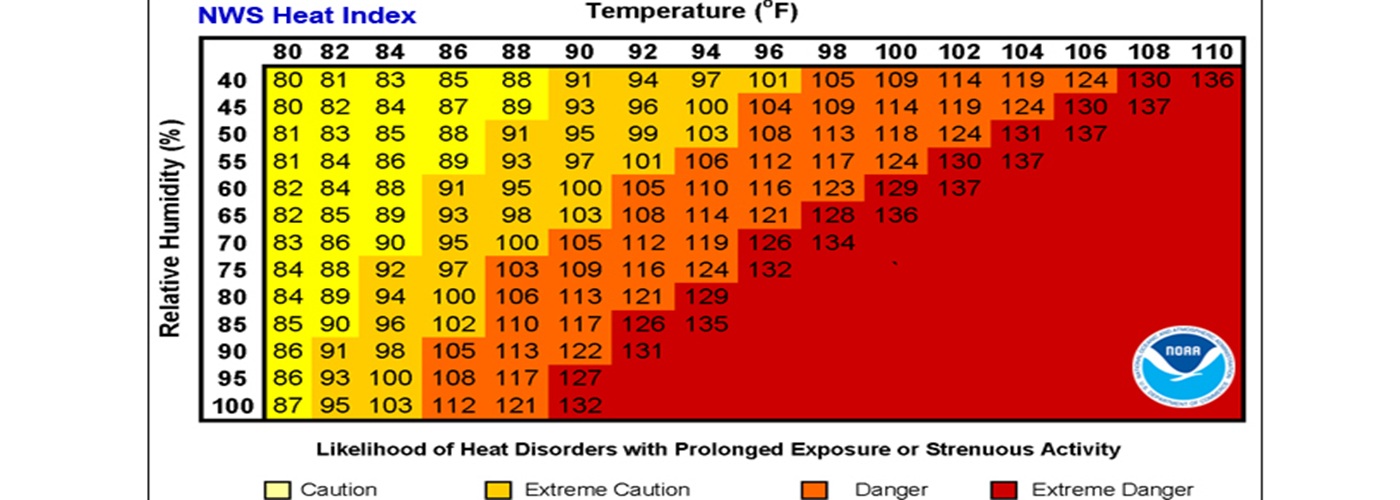
When temperatures climb, weather forecasts often include the heat index rather than the air temperature alone. The heat index combines temperature and relative humidity to estimate how hot it actually feels to the human body. High humidity slows the evaporation of sweat, making it harder for the body to cool itself and increasing the risk of heat-related illnesses.
Now, recent research from the USC Leonard Davis School of Gerontology suggests that prolonged exposure to high heat index conditions may do more than increase the risk of heat exhaustion or heat stroke. The study indicates that living in areas with frequent extreme heat could also accelerate biological aging in older adults.
Unlike chronological age, which simply measures how many years a person has lived, biological age reflects how well the body functions at the cellular and molecular levels. When biological age exceeds chronological age, it has been linked to a greater risk of disease and premature death.
To investigate whether extreme heat influences biological aging, researchers analyzed data from more than 3,600 participants aged 56 and older in the Health and Retirement Study. Blood samples collected over a six-year period were examined for epigenetic changes, which are chemical modifications that affect how genes are switched on or off through DNA methylation.
After accounting for differences such as income, demographics, smoking, alcohol use, and physical activity, researchers found that people living in areas with more frequent extreme heat generally experienced faster biological aging.
According to the study, older adults living in places where extreme heat occurs for roughly half the year, such as Phoenix, Arizona, showed as much as 14 months of additional biological aging compared with people living in regions that experience fewer than 10 extreme heat days annually.
Because older adults generally become less efficient at cooling themselves through sweating as they age, humid conditions further reduce the body's ability to shed heat. As a result, heat index often provides a more accurate picture of health risks than temperature alone.

 Paul Trambley
 Derek Heit
 Jennifer Wojcicki
 Laura Lockwood
 Ray Miller